
Registration & Introductions
Talent Is the Investment Signal
Wahab Owolabi makes the case that AI has raised both the return on a great hire and the cost of a wrong one, which makes talent the asset companies are actually underwritten on: how it's acquired, where it's deployed, and what resources it's given to compound. Followed by a fireside with a special guest.
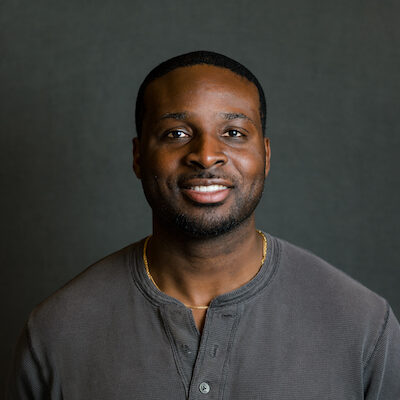 Wahab Owolabi
The New Talent Playbook for AI Companies
AI has created a talent market unlike any the technology industry has seen, with intense competition for the researchers, engineers, and builders shaping the next generation of companies. What changes when a company is AI-native from the first hire and how should leaders rethink roles, organizational design, and what it takes to attract exceptional talent when compensation alone is no longer enough?
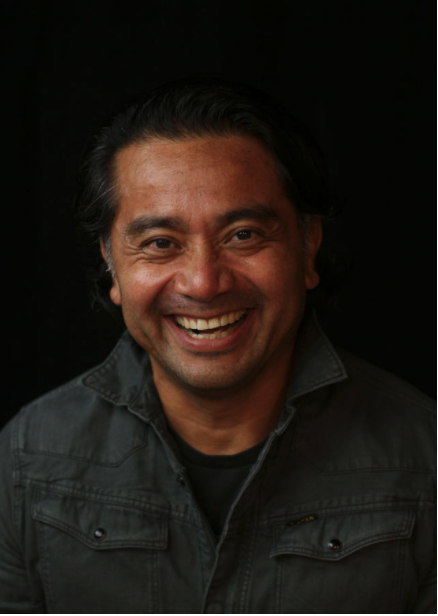 Jose Cong
 Matt Stephenson
 Whitnie Narcisse
Culture & Talent Post AI
Post-AI, culture has to hold at 200% growth. Winning binds a team on the way up, but values have to outlast the curve. How do you screen for them at this hiring pace, and how do you balance speed against fit? The weight lands on first-time managers and on how a company celebrates the way results get made, while agents take on real work and judgment becomes the scarcest skill on the team. A conversation on what holds a company together once winning isn't enough, why managers decide whether a hire works, and how to lead teams that aren't all human.
 Trevor Phillippi
 Patrick Millegan
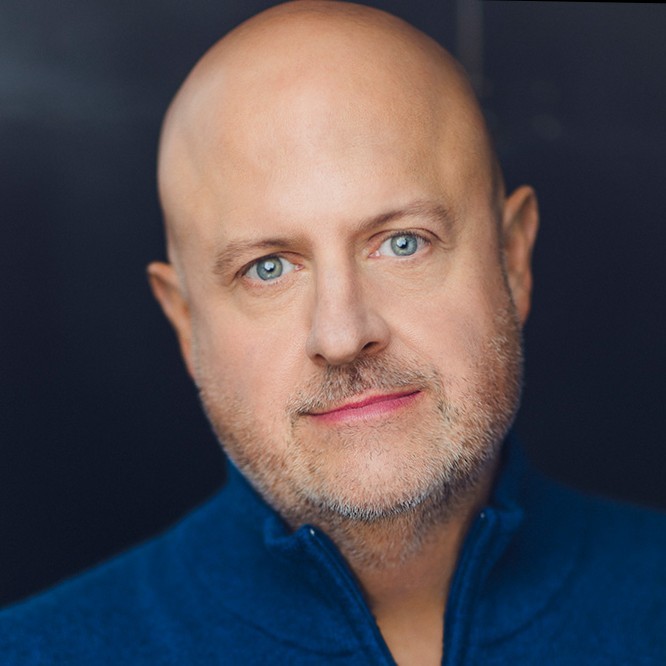 Jeff Hunter
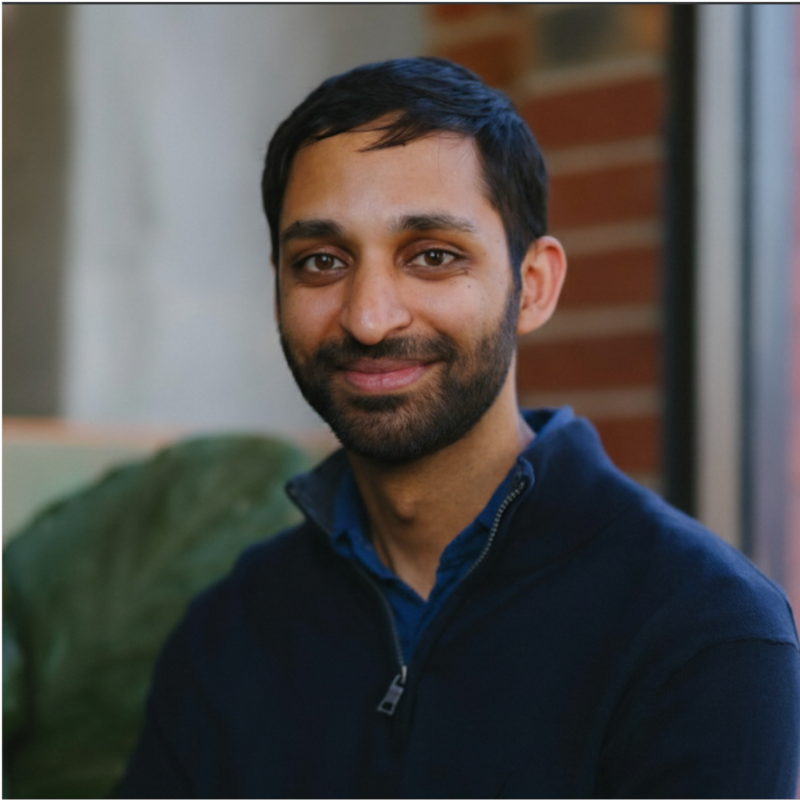 Arnav Mishra
Morning Exchange
Meet the operators, explore partner activations, and connect with the leaders shaping the future of talent.
From Zero to One: Designing Your Team for Scale at Every Stage
The first 10 hires belong to the founder. The next 40 need a talent leader. By 100, the founder can't sit in every interview. Early hires, incentives and org design that work at one stage often become liabilities at the next. This conversation looks at how to see those inflection points coming and build teams that hold up through each one.
 Beth Scheer
 Lisa Campbell
 Reggie Williams
 Neboysa Omcikus
Lunch
The Future of Recruiting Is Executive Search
Executive search was always the best version of recruiting. It was just too time and resource intensive to apply broadly. AI has a dual effect: it increases the value of every hire and collapses the cost of running a really in-depth search - so every hire can now be run like an executive search, with the recruiter taking on a new role of being a search partner. AI won’t replace recruiters - it will make them into exec search partners.
 David Paffenholz
Your Next Hire Isn't Human: Managing the Second Workforce
Every company is becoming an employer of both humans and AI agents, but only one workforce gets planned, budgeted, and reviewed. The other shows up on the bill after the work is done, with no owner and no seat on the headcount plan. Agents are labor, budgeted against the alternative of a hire, and managing them is HR and Talent's next mandate. The leaders who claim the second workforce now will run the function everyone else reports to.
 Tushar Makhija
Afternoon Exchange
Meet the operators, explore partner activations, and connect with the leaders shaping the future of talent.
Coding was first. Recruiting is now. Welcome to the Agentic Era.
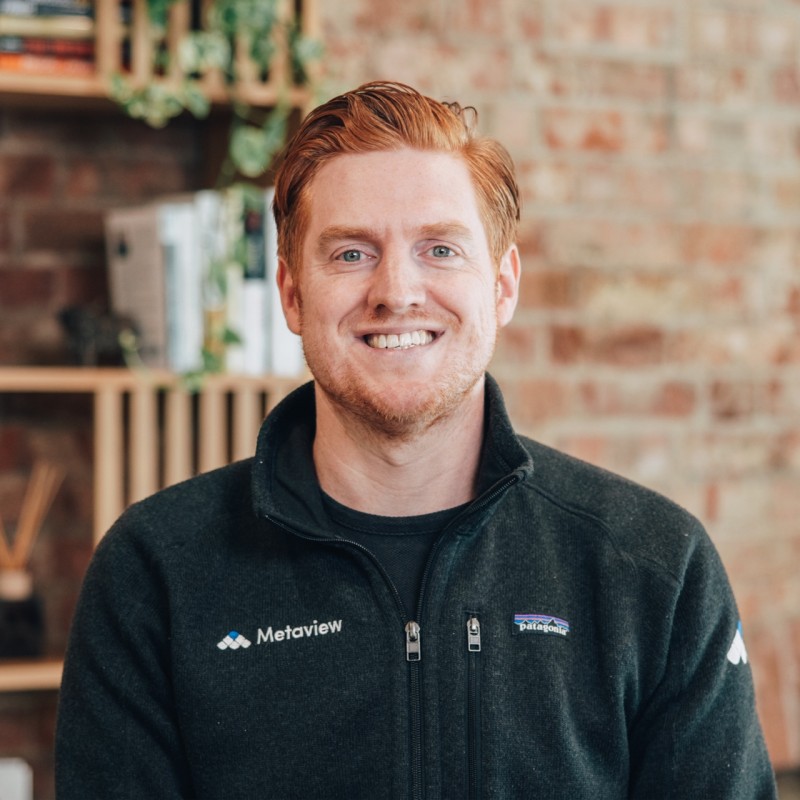
Claude Code showed what happens when AI moves from assisting with tasks to owning meaningful work end to end. Siadhal Magos makes the case that recruiting is at the same inflection point: shared context, intelligent orchestration, and agents autonomously doing the work they’re best suited to do.
 Siadhal Magos
Building the AI-Native Organization
How leaders are redesigning teams, roles, and operating models as AI changes the way companies work.
 Dan Pupius
 Tigran Sloyan
 Aki Ito
 Maria Kazandjieva
Winning Talent: A Fireside Chat with Jeff Jordan
Jeff has seen talent density up close at every stage of company building: from eBay and PayPal, to CEO of OpenTable, to the boards of Airbnb, Pinterest, and Instacart. We'll get into why talent density matters more than ever as a startup scales, and what it takes to build teams with real judgment, craft, and taste in the AI era.
Closing Remarks
Wahab Owolabi
Cocktail Reception
Drinks and conversation as the day winds down. Hosted by CodeSignal.
Talent Leaders Dinner
An off-the-record dinner with featured speakers and SF-area talent leaders. Sponsored by Juicebox. RSVP Required